
Fort Wayne Zoo
Central Zoo Renovation
Fort Wayne, IN
The central zoo renovation addressed critical needs in the heart of the Fort Wayne Zoo. As home to the original exhibits, circulation, and infrastructure, this core area serves as the primary hub, directing visitors to major exhibit collections while showcasing several favorite species.
After decades of service, the area required a comprehensive remodel of infrastructure, habitats, animal care facilities, and visitor experience upgrades.
CRITICAL ISSUES DEMANDING IMMEDIATE ATTENTION:
- Unpredictable water main failures disrupted operations
- Power limitations prevented extended hours and evening events.
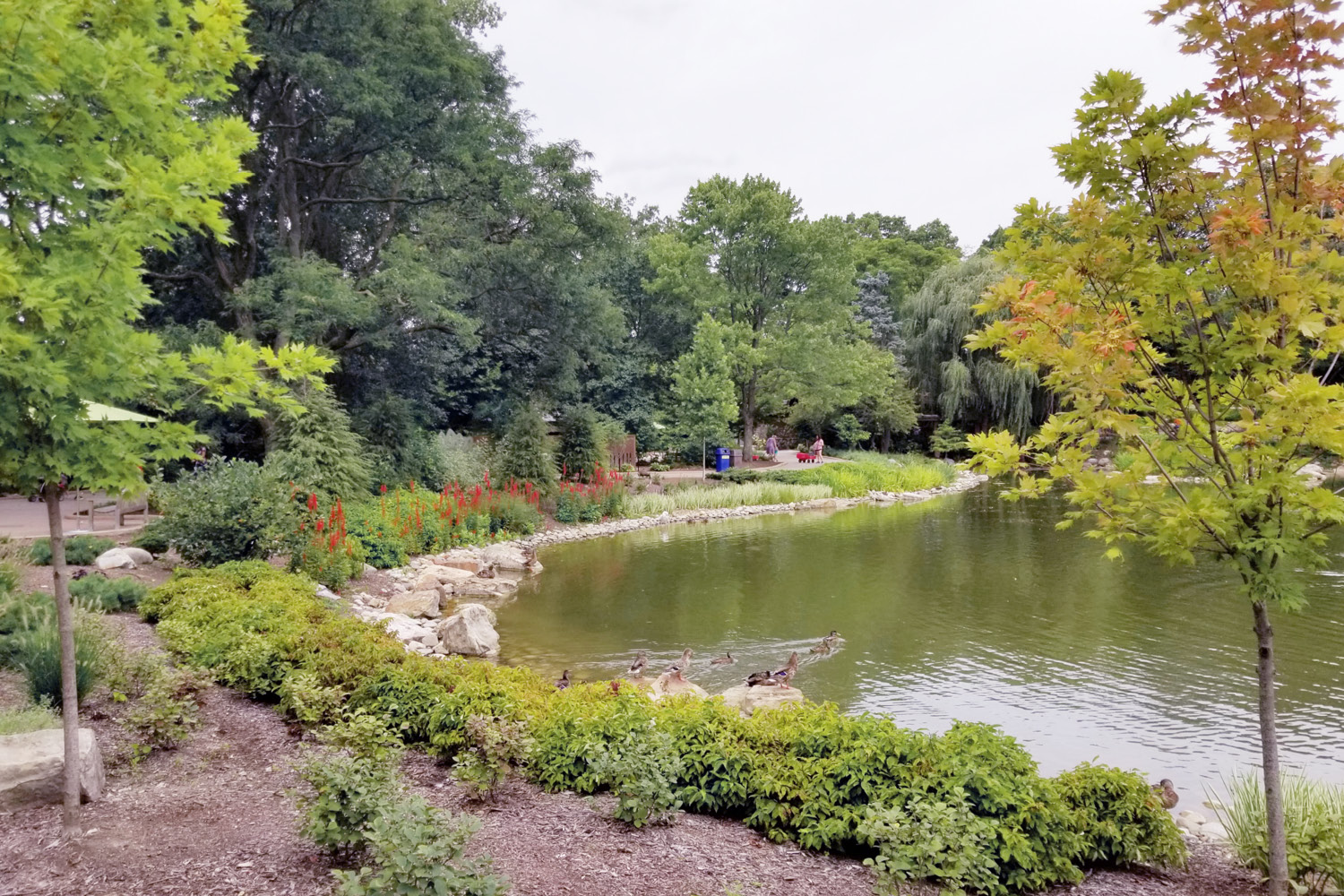
- The central pond suffered from decades of sediment buildup and decaying organic matter.
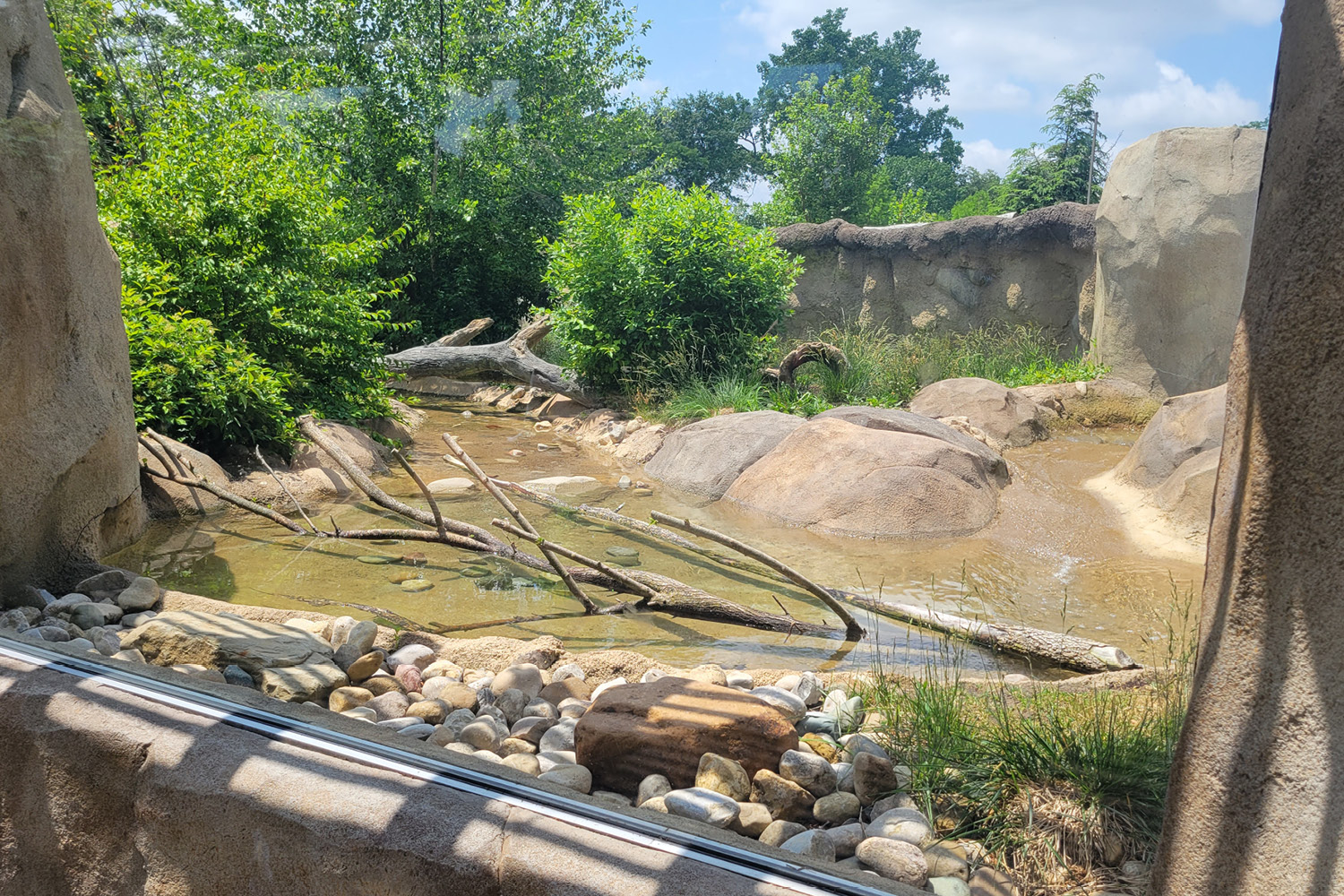
- The river otter exhibit featured only a small pool with no natural surfaces.
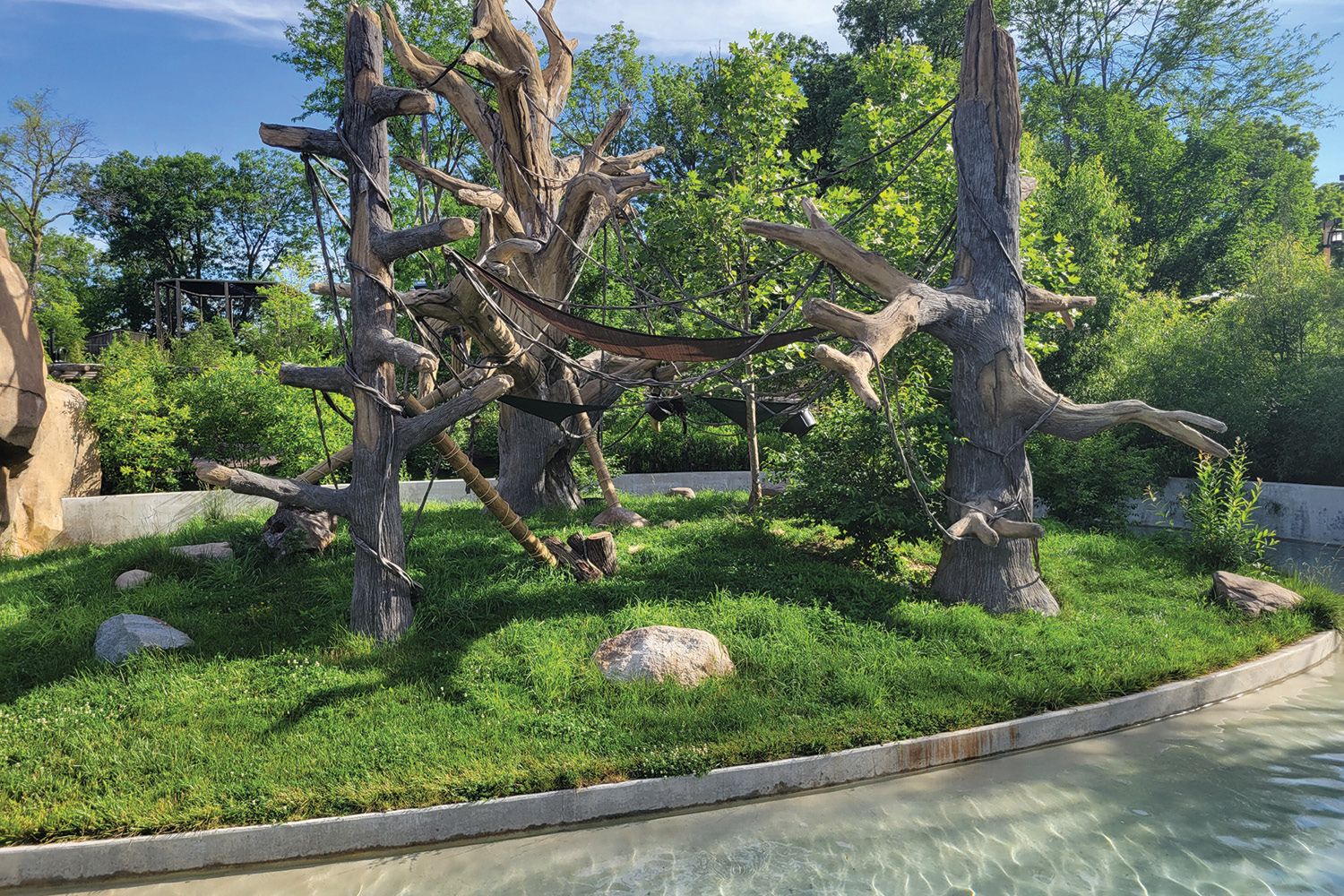
- Monkey Island suffered from tree loss, a leaking moat, no attached winter quarters and inadequate keeper access.
- Additional problems included substandard door heights limiting keeper entry to the penguin house and sea lion life support buildings.
- Portions of the renovation area fell within flood plain restrictions, complicating modification options.
MSKTD & ASSOCIATES, working in collaboration with Bassett Associates and Hagerman Construction, implemented a strategically phased approach.
PHASES 1-2: ADDRESSED CRITICAL INFRASTRUCTURE:
- Pond dredging
- Complete water main replacement
- Electrical service upgrades to support special event electrical needs and provide path lighting for extended visitor hours.
- Landscape enhancements add visual interest with natural textures and seasonal colors intermixed with the rocks and boulders that scatter along the slopes of the banks and into the pond.
PHASE 3: DELIVERED TRANSFORMATIVE UPGRADES
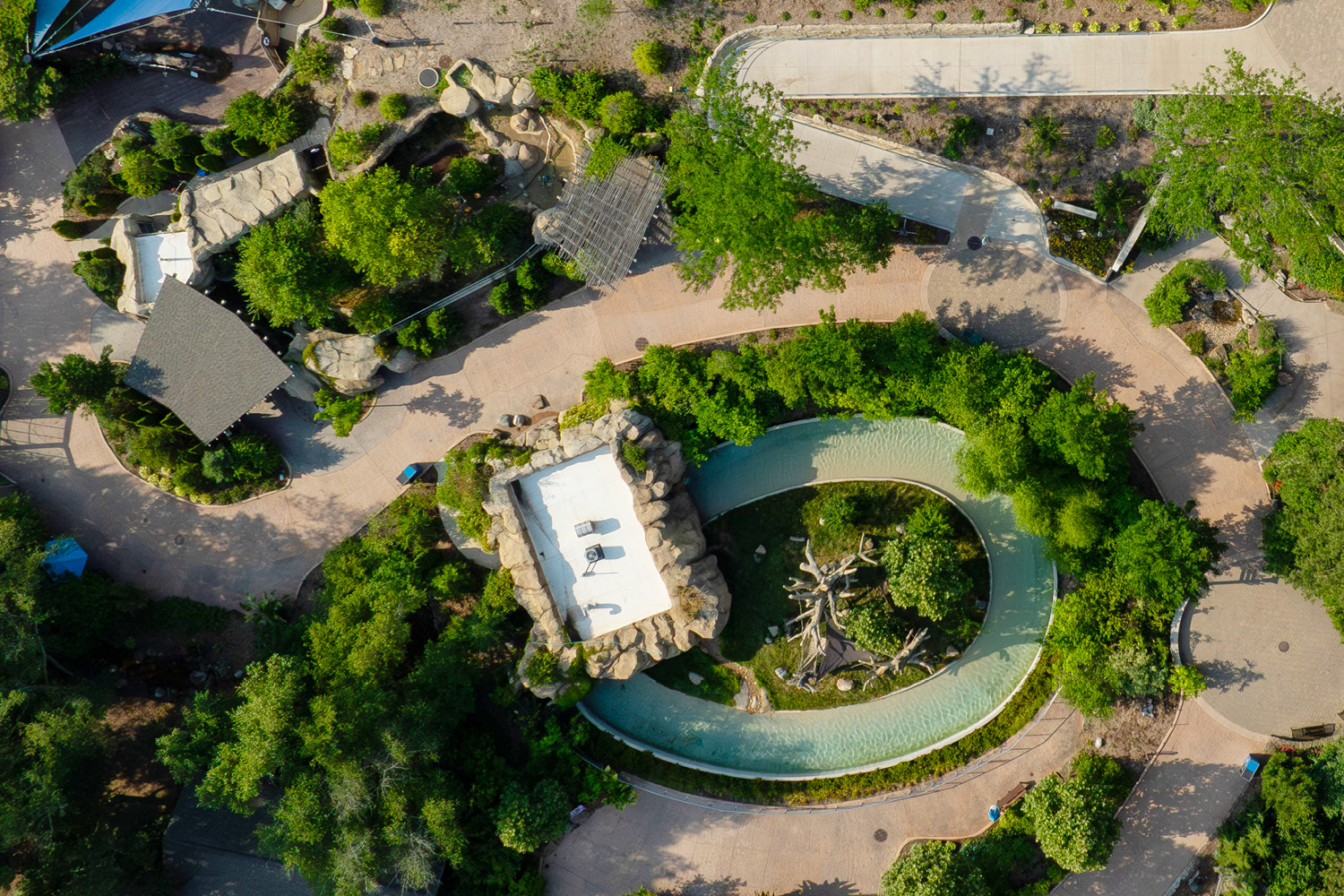
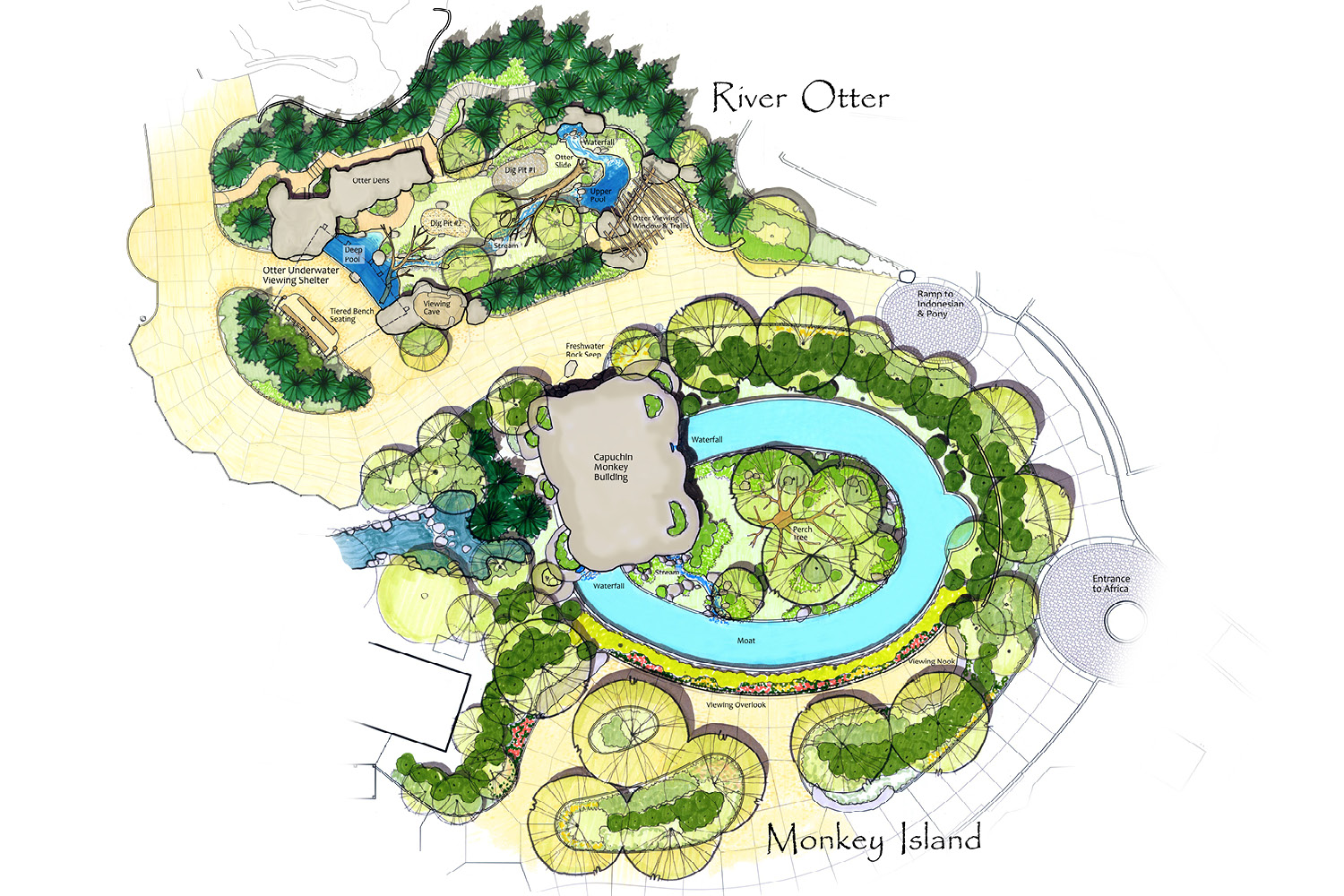
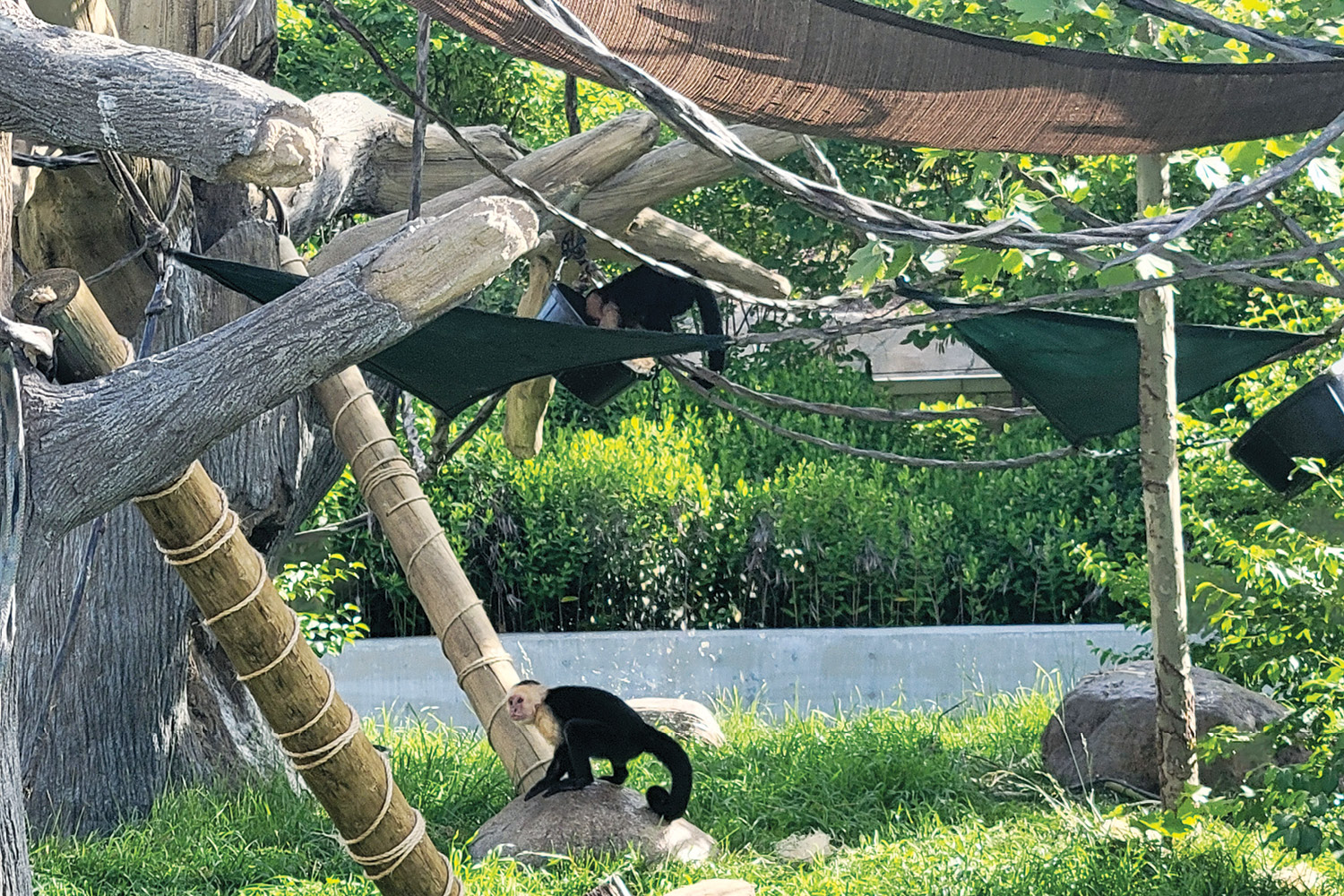
Monkey Island rehabilitation includes moat repairs, screen plantings and waterfalls. New winter quarters are tucked inside faux rockwork outcroppings with carefully hidden direct exhibit access for both keeper and primates.
The habitat gained natural trees and extensive plantings as well as faux perch trees that anchor artificial vines and a trickle stream.
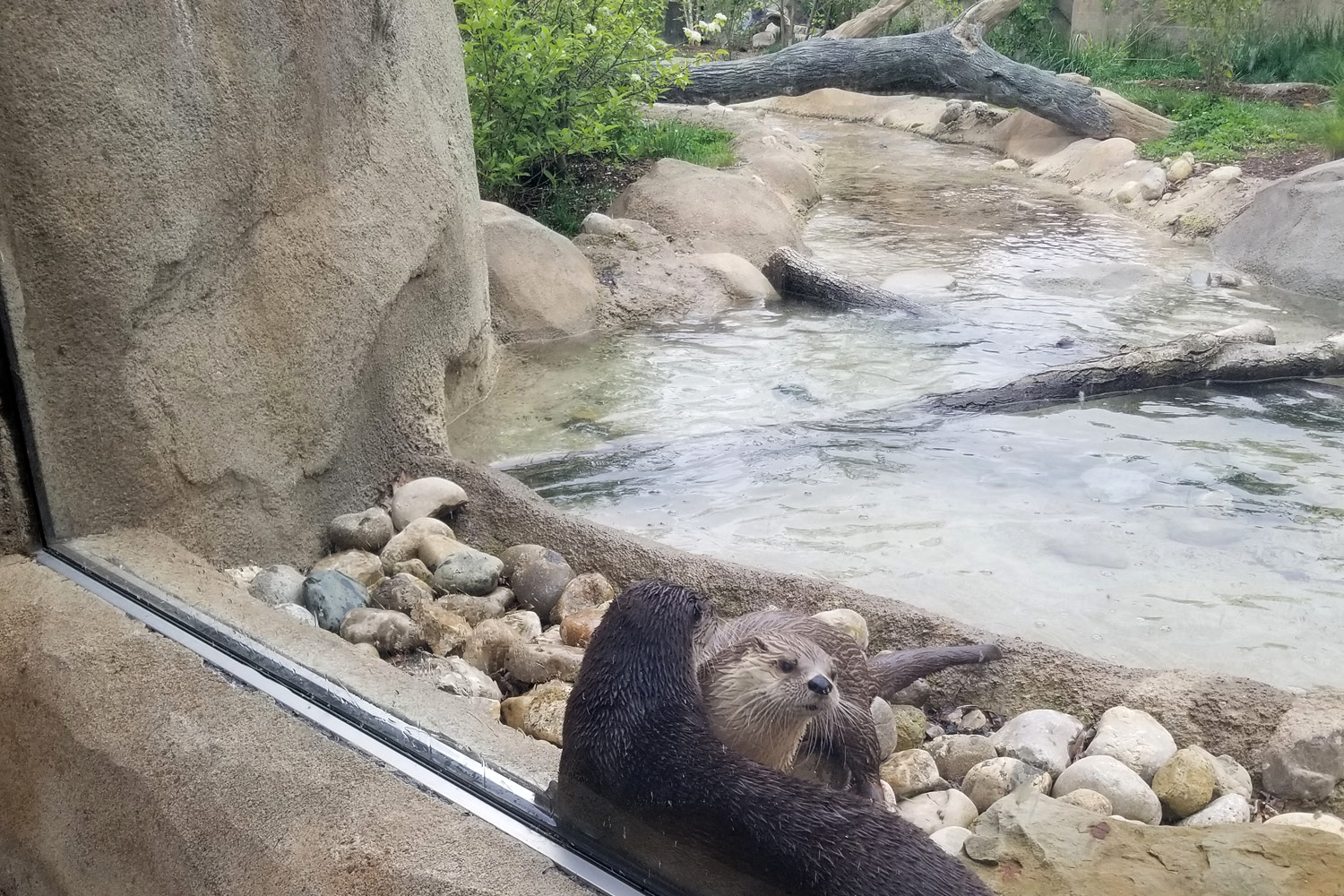
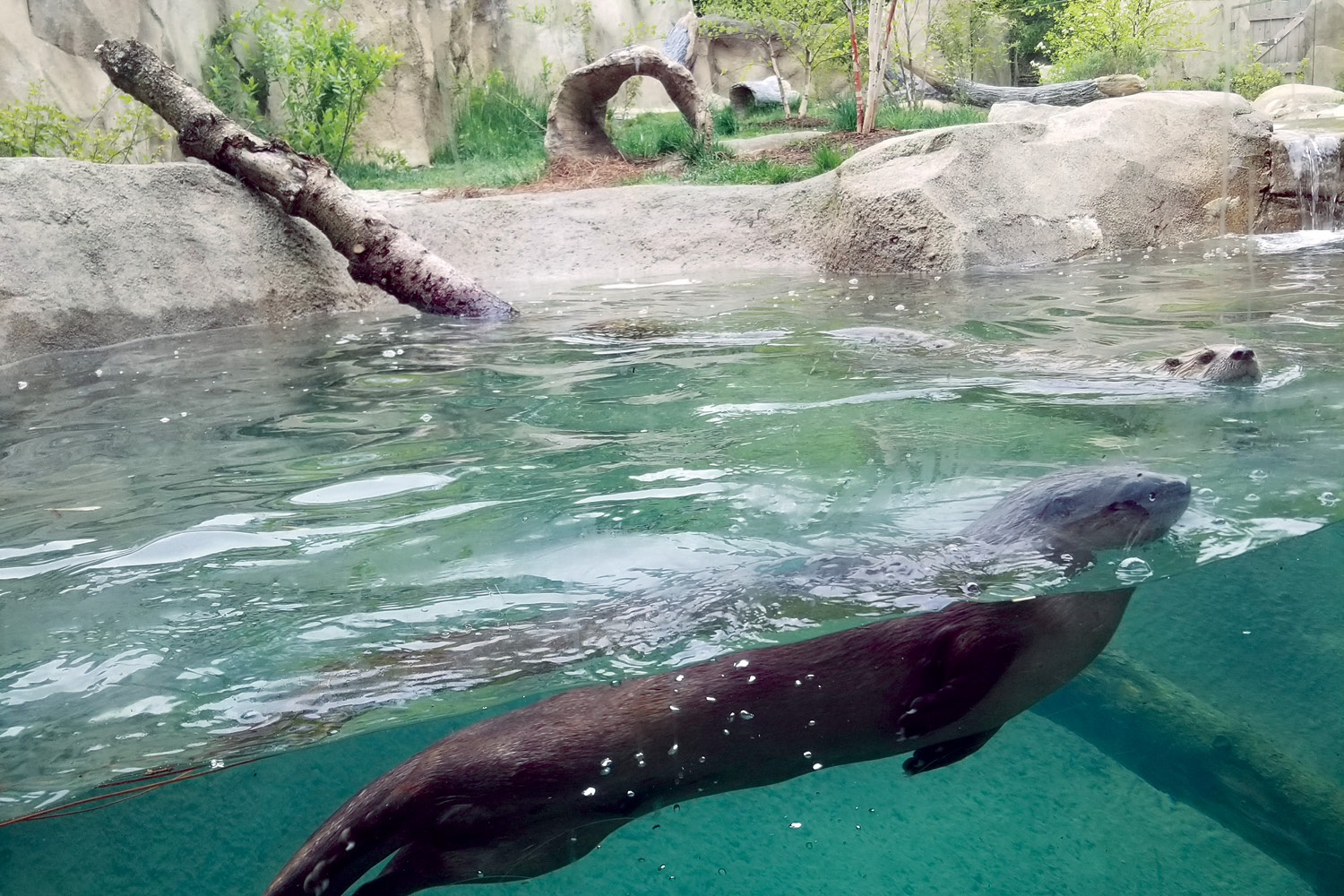
The 2,000+ SF River Otter habitat provides diverse options for otter exploration with waterfalls, shallow pools, a deep viewing pool, water slide, enrichment dig pits, natural turf areas, and specialized feeding portals.
Secondary viewing opportunities and concealed off-exhibit quarters support animal husbandry and viewing.
A shade trellis and a rockwork cave provide additional opportunities to view otter activity along the stream and pools. Rockwork screens the water feature mechanical room and off-exhibit otter dens.
MSKTD Services:
Zoo Planning
Exhibit Design
Architecture
MEP
Structural Engineering
Civil Engineering
Landscape Design