UNDERSTANDING THE ROLE OF MSKTD’S DESIGN LEAD

Design is a conversation that starts early, continues throughout a project, and tells a story long after a project is complete.
To help keep that conversation clear and purposeful, MSKTD & ASSOCIATES added a Design Lead, a role that didn’t come with a strict definition on day one. Instead, it intentionally continues to evolve alongside the firm, our teams, our markets, and the needs of the clients we serve.
Since Steve Zabel, Senior Project Architect, took the Design Lead role almost two years ago, there was one goal that remains the same—strengthen ideas and help clients see the full value of thoughtful design that aligns to their goals. It’s a role that sits at the intersection of curiosity, collaboration, and practical problem‑solving. These are values that reflect how MSKTD has always approached every project.
Describe the purpose of this role?
“The role advocates to maintain design intent from start to finish. A Design Lead is typically central to kicking off the design concept—raising the ambition of those first sketches, sharpening the storytelling and narrative, and ensuring the concept can stand on its own. From there, the role adapts to each team and project. That may mean working as part of the design team all the way through completion; other times, it’s providing oversight and review at key milestones.”
“Projects always have constraints. The reality of time, budget, and materials comes into play. My job is to help keep the concept clear and present in those conversations. It’s not about holding onto one idea no matter what. It’s about finding and refining solutions that stay true to the story behind the building.”
Ultimately, Steve says, the role exists to keep the vision at the heart of the work.
How do you elevate design thinking within the team?
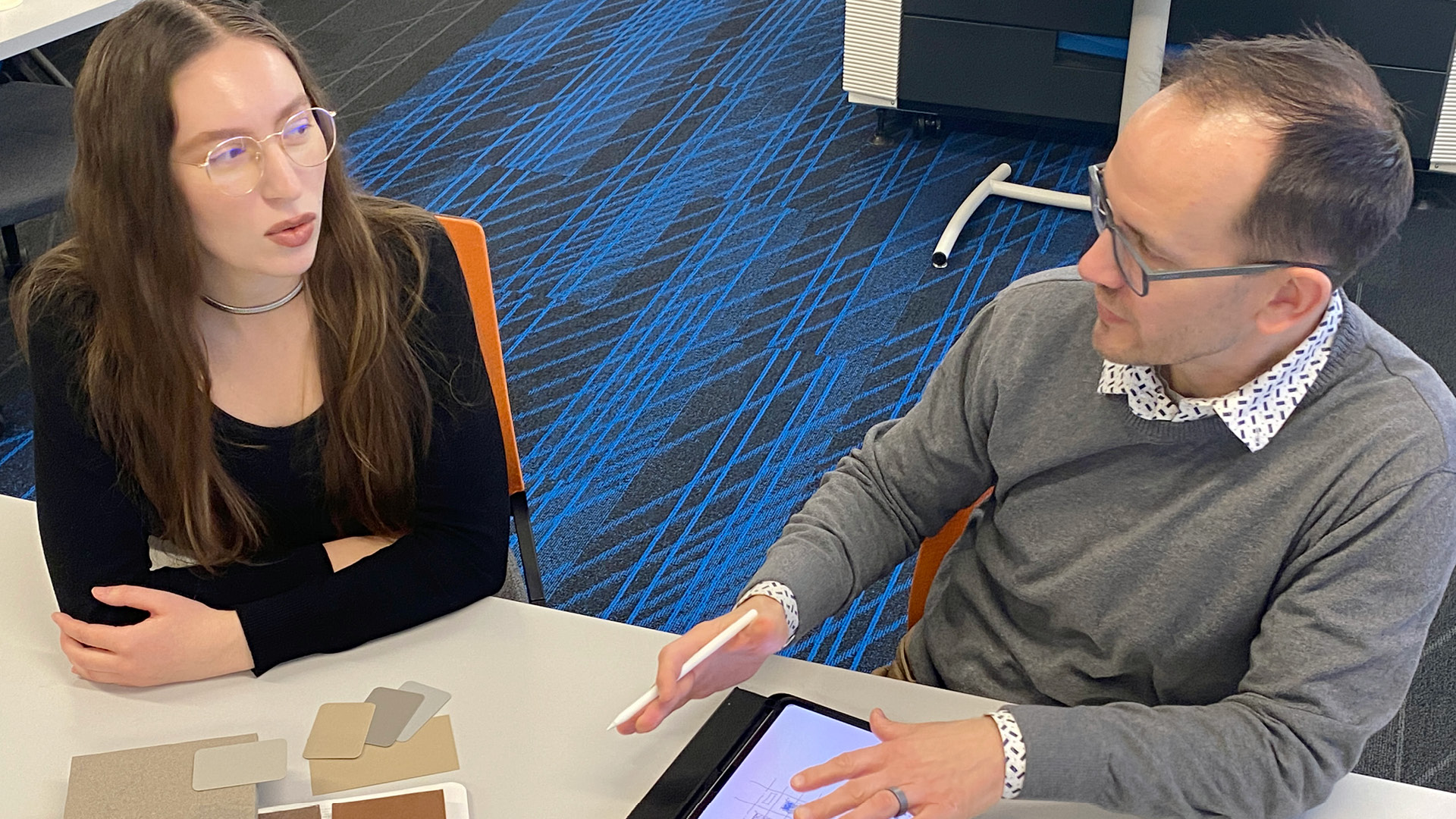
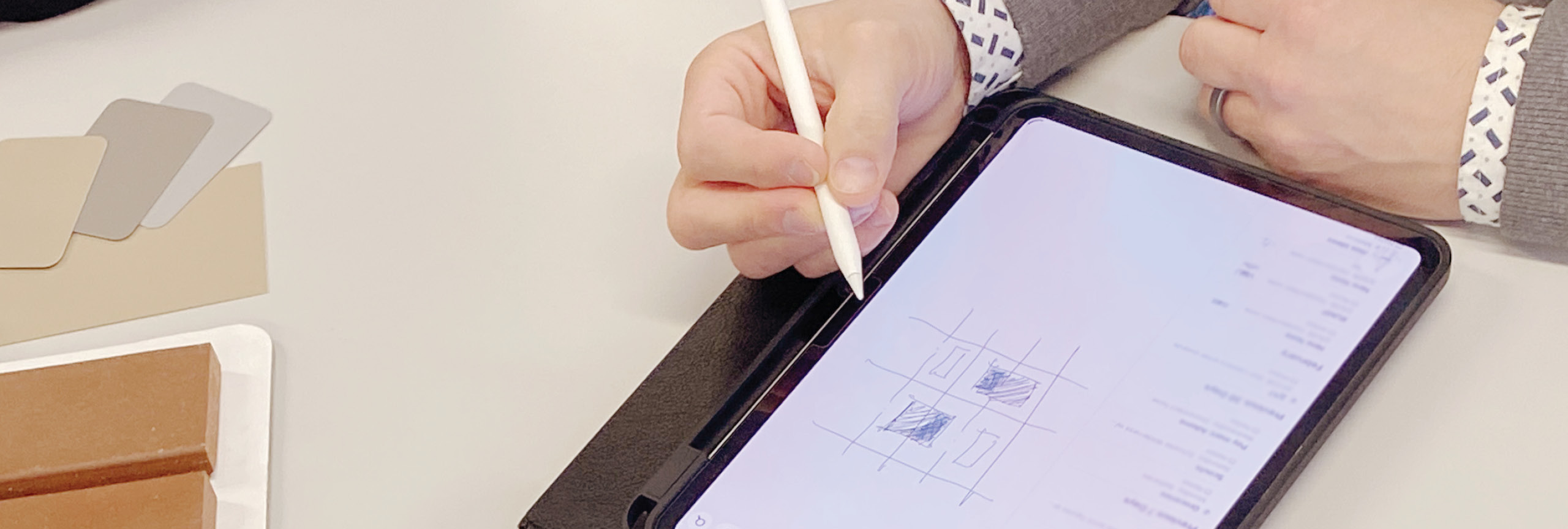
“It’s very hands-on—a lot of sketching, talking through ideas, and working either as a designer or side-by-side with the project leads. At times it’s about defining parameters. At others, it’s just a small nudge to help a colleague push a concept further. It’s more apprenticeship-style than formal, though I am developing more structured review processes. It works because people learn best through the process of exploration.”
Can you share a recent example where your involvement made a difference?
“One example that stands out is MSKTD’s ongoing work with one of our healthcare clients. We previously helped them develop a prototype medical office building, and a new project gave us the opportunity to revisit that design. The overall concept was already established, but we took another look at the panelized exterior wall modules. That revisit paid off. It improved the clarity of the building’s identity, and the increased repetition helped to streamline production. For the client, that meant a building that was easier to build, more consistent with their brand, and stronger as a long-term asset.”
How has your involvement varied over project types?
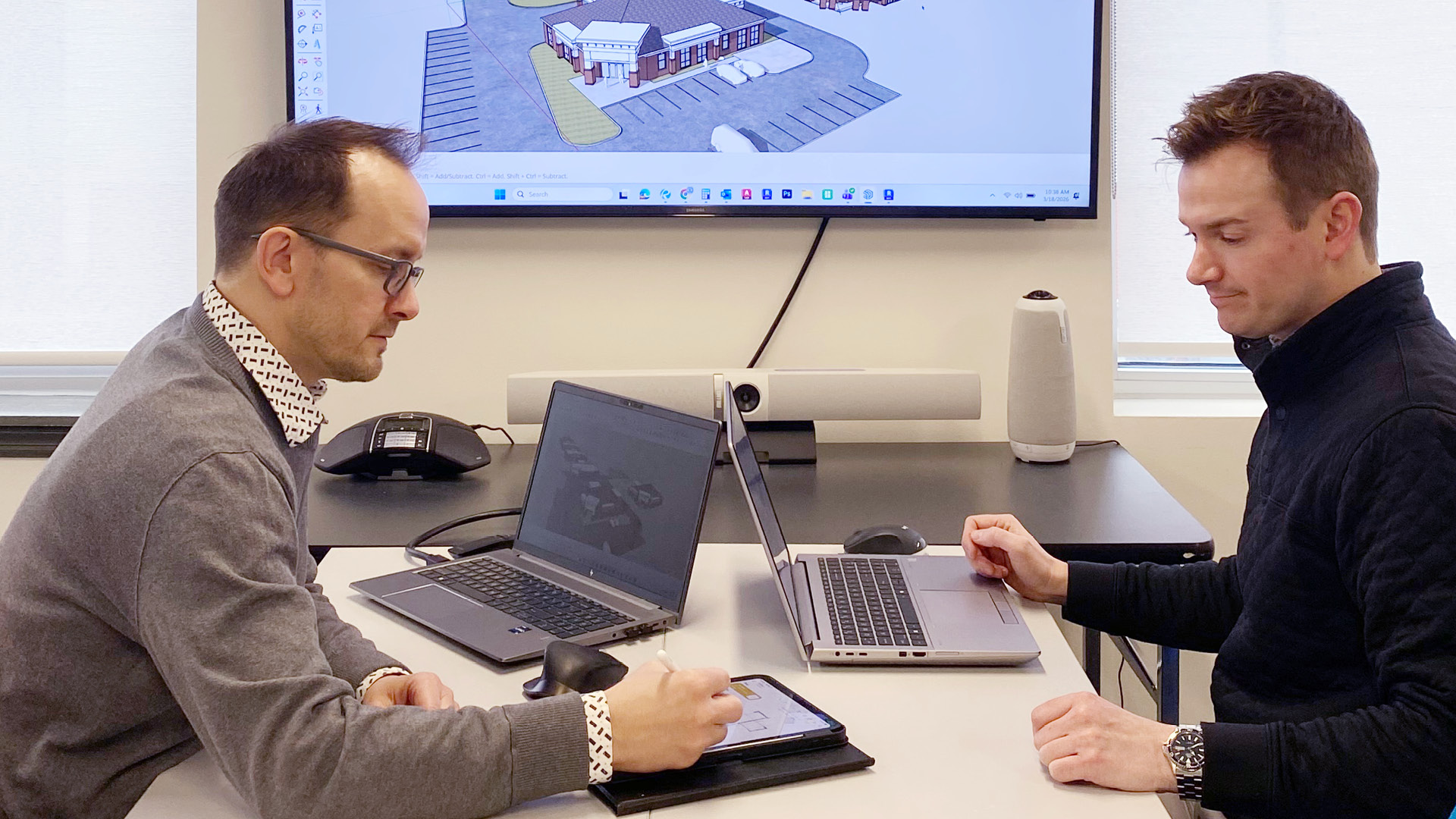
“It really depends on the team and the project type. In healthcare, I’m often involved from the very beginning, sitting in on initial client meetings, developing exterior concepts, working through renderings and design reviews, and sometimes carrying that through into production. In higher education, my role is more targeted. I’ll jump in at key milestones to help shape an idea or offer a fresh perspective.”
Beyond individual projects, Steve has also spearheaded rendering standards to be more consistent, functional and on brand. “We want our work to be recognizable. Part of that is defining a process for getting well‑composed renderings so anyone on the team can produce them.”
What drew you to the Design Lead role?
“When I was promoted to Design Director at a previous firm, I quickly realized it had been my dream job all along. Growing up, my parents encouraged us to sit around the table together and brainstorm for each other’s projects—the creative process has been part of my DNA ever since. Now I get to bring that same spirit to MSKTD, where I help prioritize design innovation across everything we do. Guiding that kind of design thinking just made sense.”
Why does design matter so much?
“People often think design is just about preference, but there are principles behind it: proportion, hierarchy, composition, and so on. A good building tells a story. You can feel that story, even if you can’t articulate why. That’s the part that excites me, creating work that’s thoughtful and clear, inside and out.”